Highway Tire Safety Handbook: Emergency Pressure Management & Portable 150 PSI Compressor Benchmarks
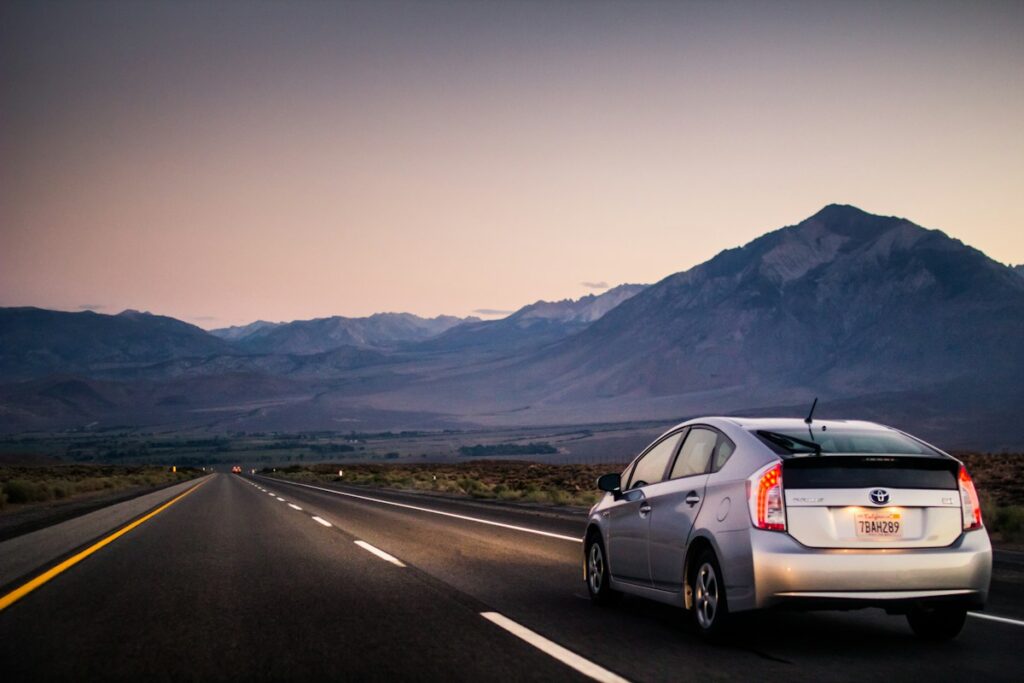
The Thermodynamic Physics of Tire Pressure Loss
Pneumatic tires represent the sole physical interface between an automobile and the road surface. Yet, according to National Highway Traffic Safety Administration (NHTSA) statistics, over 30% of passenger vehicles travel on dangerously under-inflated tires. Tire pressure is not static; it is heavily dictated by ambient temperature physics. For every 10°F (5.5°C) drop in outdoor temperature, a vehicle tire loses approximately 1 to 2 pounds per square inch (PSI) of internal air pressure due to contraction of gas molecules.
Operating a vehicle with tires just 5 to 7 PSI below the manufacturer’s Cold Tire Inflation Specification (found on the driver door jamb placard) produces severe mechanical consequences: internal tire carcass flex increases rolling resistance, accelerating tread shoulder wear, degrading fuel efficiency by up to 10%, and extending wet-braking stopping distances by multiple car lengths.
Why Gas Station Air Pumps Fail Drivers
Relying on gas station coin-operated air compressors is fundamentally flawed. When you drive 10 to 15 minutes to reach a service station, tire tread friction heats the internal air, artificially elevating pressure by 3 to 5 PSI above true “cold” baseline. Inflating hot tires at a gas station frequently results in under-inflation once the vehicle cools down.
Manual Gauges vs. Cordless 150 PSI Digital Air Compressors
Historically, motorists carried bulky 12V cigarette-lighter compressors with long, tangled cords that struggled to reach rear tires. The advent of cordless handheld lithium air compressors has modernized roadside maintenance.
| Inflation Equipment | Max Pressure | Power Source | Auto-Shutoff Accuracy | Roadside Usability |
|---|---|---|---|---|
| Manual Foot Pump | 60–80 PSI | Manual Labor (Tiring) | Analog Gauge (±3 PSI) | Exhausting in Heat / Rain |
| 12V Corded Cigarette Compressor | 100 PSI | Car Battery via 12V Socket | Analog Dial (No Auto-Stop) | Tangled Cords; Can blow 12V fuse |
| Gas Station Commercial Pump | 120 PSI | Station Mains (Paid Coins) | Uncalibrated / Damaged Hose | Requires Driving on Low Tire |
| Compact Cordless 150 PSI Compressor | 150 PSI (10.3 BAR) | Cordless 6000mAh Lithium Battery | Digital Auto-Stop (±0.5 PSI) | Instant Glove-Box Portability + LED Beacon |
Step-by-Step Highway Emergency Inflation Protocol
Encountering a low tire pressure warning light (TPMS) on a high-speed interstate highway requires calm, methodical execution to ensure driver and passenger safety.
Step 1: Controlled Deceleration & Safe Pull-Off
Do not brake abruptly. Signal early and ease the vehicle onto a wide, flat highway shoulder or exit ramp, as far away from active traffic lanes as possible. Engage the emergency parking brake and activate vehicle hazard flashers immediately.
Step 2: Connect and Measure Cold Baseline Pressure
Retrieve your compact digital compressor and screw the braided metal air hose securely onto the tire valve stem. The backlit digital display will immediately illuminate, reporting the current tire pressure in real-time accurate to within half a PSI. Check this reading against the factory specification listed inside your driver door frame.
Step 3: Preset Target PSI & Auto-Inflate
Use the ‘+’ or ‘−’ buttons to preset your exact target pressure (e.g., 34.0 PSI). Press the start button. The high-velocity pure copper cylinder will pump compressed air into the tire. The smart sensor monitors backpressure in real time, automatically terminating inflation the exact microsecond 34.0 PSI is reached. Unscrew the hose, replace the dust cap, and return safely to your journey.
Multipurpose Emergency Bonus
A quality portable inflator doubles as an emergency life-safety tool. The integrated 6000mAh battery pack features a 5V/2A USB output port capable of fully reviving a dead smartphone during rural breakdowns, while the built-in LED flashlight provides both work illumination and red SOS flash distress signals.
Frequently Asked Questions on Portable Tire Inflators
How long does it take a compact compressor to inflate a car tire?
For standard pressure maintenance (e.g., topping up a tire from 28 PSI to 35 PSI), a high-speed 25L/min compressor requires approximately 60 to 90 seconds. To inflate a completely flat passenger car tire from zero, it typically requires 4 to 6 minutes.
Will cold winter temperatures drain the compressor’s internal battery?
Quality lithium-ion cells with low self-discharge retain up to 85% of their charge over 6 months of glove compartment storage in freezing climates. We recommend giving the unit a quick USB-C top-off during seasonal oil changes.
Can I use this inflator on road bikes, basketballs, and camping inflatables?
Yes. Premium inflators include four interchangeable screw-on adapters: a French Presta valve adapter for high-pressure bicycle tires (up to 120 PSI), a steel ball needle for soccer/basketballs, and dual tapered nozzles for inflatable kayaks and air mattresses.